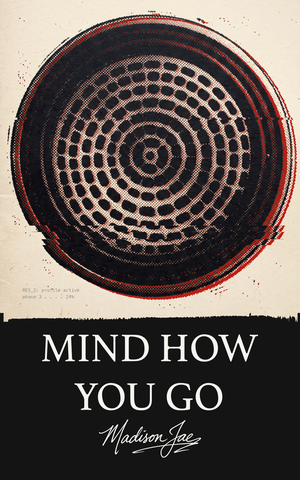
The house was designed to protect her. That part was true.
Running from a life she barely survived, Clover has built a second self. New name, new county, a new husband who notices everything. Beckett's remote home on the Devon coast anticipates her every need. It warms the floors before she wakes. It learns the temperature she likes her bath. It knows things about her she has never told a living soul. Twelve weeks pregnant and alone five days a week, she tells herself this is what it feels like to be loved by a man who pays attention.
Then the house begins to show her things it shouldn't know.
A name she buried five years ago, spoken aloud by a kitchen speaker. A photograph of a child no algorithm should be able to find. A medical alert at four in the morning that sends her out into forty minutes of unlit lane, and that no one will ever be able to prove was a lie. Every time she reports what she's seen, the system shows nothing, and her husband asks if she's been sleeping.
The house is the only witness to what the house is doing. And Clover has a history that means no one will believe her. Her only weapons are a pencil, a paper calendar, the back of a receipt, and a friend two hours up the motorway.
In the tradition of Ira Levin's Rosemary's Baby and the Irish moral suspense of Tana French, Mind How You Go is a psychological thriller driven by dread.
A novel about what it means to be known by a system that was built to keep you.