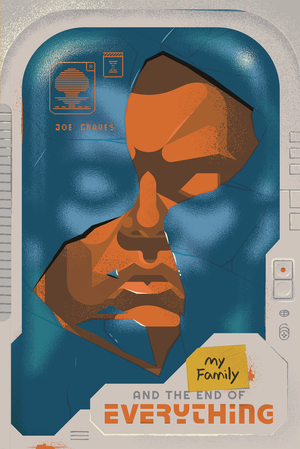
Several apocalypses, one stubborn family, and whether altering the end of the world is possible.
The end of everything begins closer than you think. Of course, it always includes such foul practices as bureaucratic corruption, disregard for science (or the overindulgence of it), and corrupted religion. But this is not where it starts. It begins much closer to home—smart homes to be exact, and well-intentioned inventions (they really did think it was a good idea)—and human consolidation, and old men doing their best to retire.
My Family and the End of Everything follows generations of the Profeta family as they march naively towards the setting sun. The ending doesn’t come with explosions—at least, not at first.
It arrives quietly, in funerals, final meditations, historical preservation, and decisions no one remembers volunteering for. From networked houses and autonomous bots to terraformed worlds, time travel, dying suns, and suspiciously ceremonial banquets, these stories track humanity’s ongoing attempt to stay human, in all our gloriously human ways.
This isn’t one apocalypse, but several, for the world ends far more often than we’d like to admit. Yet somehow, through all of them, a family—and their stubborn faith in each other and in their God—finds a way to endure and presents to us this question: If we could change the future, would we?