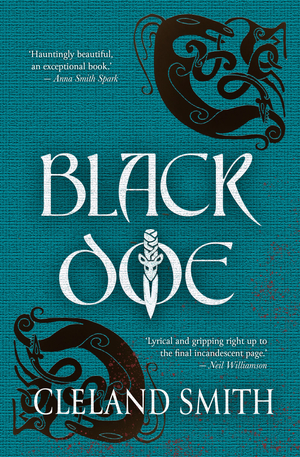
A heart-wrenching tale of motherhood, identity and fate, steeped in folklore and tragedy, and set against the backdrop of the 2nd century Scottish Highlands.
The Black Doe assassins are legends, shadows who never leave a target alive. Bridei, one such Black Doe is sent to end the threat of the rising warlord Drust, armed with a knife rumoured to be the only weapon that can harm him. Caught in the act, she is stabbed with her own weapon, crucified, and left to die.
Bridei survives, rescued on the brink of death, but the knife is gone. To complete her mission and regain her stolen memories, she must find her lost weapon, and she must kill. If Drust is not dead by the Bealltainn, she will be hunted down by the Black Does and die a stranger to herself.
Tisiphone's sons are raised on tales of the Black Does and tales of Rome. They carry great potential: in their veins runs the blood of the mighty Roman general Agricola, mingled with the blood of Cruithne. Any one of them might be named chieftain one day. Yet as the invaders encroach ever further north, what was once a blessing may soon become a curse.
When Tisiphone’s husband Lutrin travels south to find work and does not return, she finds herself keeping a secret that could ruin them all. It will take all her wit and strength to protect her sons from losing their birthright and from the darkness of thwarted ambition.
Two women who’ll do anything to protect what’s theirs. Come Bealltainn, there’ll be blood on the bracken.
Black Doe will appeal to readers who enjoy threads of fantasy and folklore woven through their historical fiction and those looking for female fantasy protagonists written by women.
Perfect for fans of historical fantasies like "Sister Song", and "Song of the Huntress" by Lucy Holland, and "Circe" by Madeleine Miller, it will also appeal to lovers of Celtic-inspired fantasy.
"Hauntingly beautiful, an exceptional book."
- Anna Smith Spark, author of the Empires of Dust trilogy
"A haunting, elemental tale of motherhood and sacrifice, seamlessly combining history and mythology with an authentic Scottish voice. Lyrical and gripping right up to the final incandescent page. One of the best Scottish fantasies I've ever had the pleasure of reading."
- Neil Williamson
"Smith's historical fantasy novel takes a grim journey through myth-laden ancient Scotland following an assassin whose deadly mission evolves into a deeper struggle with identity and fate. A harsh, evocative vision of Celtic lands where memory, violence, and myth shape every destiny."
- Kirkus Reviews