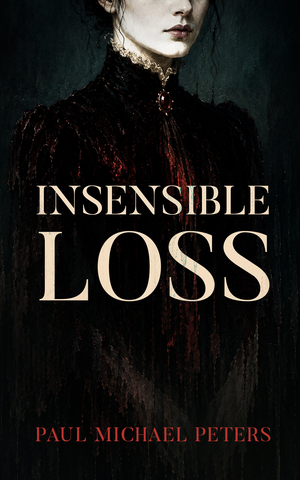
No one in this story dies alone. They suffer together.
A young nurse fleeing a toxic past reads a 19th-century journal to a dying John Doe, only to realize the immortal, suffocating romance in its pages isn't just history—it’s a trap, and she is holding the final piece. “Being good at a thing has nothing to do with it. Being able to live with a thing is everything.”
1839. Morgana de la Motte has been bored by every man who has ever tried to own her. When she joins her obsessive father and a young first mate on a secretive expedition deep into the Yucatán, she finds a secret whispered in dead languages. It will bind her to her lover for two hundred years. It will give them the time to live a hundred lives.
It will cost them their autonomy, and their souls.
2053. Olivia knows how to spot a trap—she’s just run from one. Taking refuge in her work as a nurse, she sits at the bedside of a dying man with no name, no family, and no memory. His only possession is a battered 19th-century memoir. He asks her to read it to him.
She does.
But as the journal tracks a braided path across a century of American history—from Savannah shipyards to Manhattan ballrooms to Yellowstone before the tourists—Olivia realizes she is not just reading a history of a suffocating romance. The line between the 19th century and her hospital room is blurring, and the longer she reads, the less certain she becomes about who is lying in the bed in front of her.
And who is about to walk through the door.
A masterful blend of historical mystery and creeping psychological dread, Insensible Loss is for readers who loved the braided, dark unraveling of The Thirteenth Tale, The Invisible Life of Addie LaRue, and the claustrophobic trap of Mexican Gothic.
NOTE: This is the 10th Anniversary Edition of Insensible Loss with additional content.