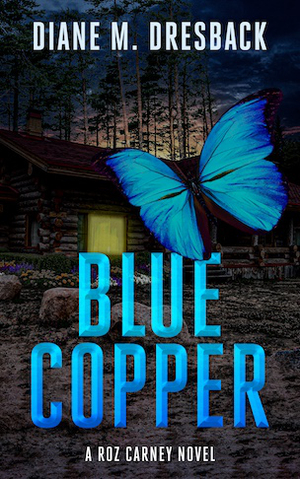
When good intentions backfire.
Hunter has been hidden inside the same 1970s house for twenty years. He is twenty-five years old, encyclopedia-educated, endearingly quirky, and woefully lonely.
When Roz Carney arrives on a thirty-day caregiving assignment, she believes she knows how to help. She does not yet know what happened before she got there.
Roz Carney walks into difficult homes for a living. She reads a room quickly. She knows how to steady a frightened client, how to build trust, and how to make herself useful before anyone has to ask. Hunter is isolated, hungry for connection, and far less easy to explain than the paperwork suggests. He has spent most of his life inside the same enclosed world, shaped by routines and silences no outsider fully understands. Roz tells herself that what he needs is simple: consistency, patience, care, and someone willing to see the person in front of her instead of the story around him. That is the kind of work she believes she does best.
But the longer Roz stays, the more she senses omissions, distortions, and old damage no one has named plainly. Small details stop feeling small. A gesture lands wrong. A memory does not fit. A kindness starts carrying weight. Roz begins asking questions she does not yet know how to contain. What first looks like professional concern begins shifting into something riskier, more personal, and harder to defend from the outside. The past presses closer. The ground beneath both of them starts to move.
Someone has left too much unsaid. Someone has lived too long inside that silence. By the time Roz realizes this assignment is not asking her to care for one wounded man but to step inside the history that shaped him, leaving may no longer be the simplest thing either of them can do.
Blue Copper is based on the short film with the same name, written and directed by Diane M. Dresback.